
Email and SMS Marketing for Skincare Brands: What Actually Drives Retention
The global skincare market is on track to surpass $200 billion in the next several years, with online sales consistently outpacing brick-and-mortar. For D2C skincare brands, that's not just good news. It's pressure. More competition, higher acquisition costs, and customers who have more choices than ever.
Here's what we've seen across the skincare brands we work with: the ones growing profitably aren't necessarily the ones with the biggest ad budgets. They're the ones that have figured out how to keep the customers they already have. And email and SMS are the two most reliable tools for doing exactly that.
This post breaks down what an effective email and SMS program actually looks like for skincare eCommerce, specifically the version that accounts for the dynamics of this category rather than the generic one-size-fits-all approach.
Why Retention Marketing Works Differently for Skincare Brands
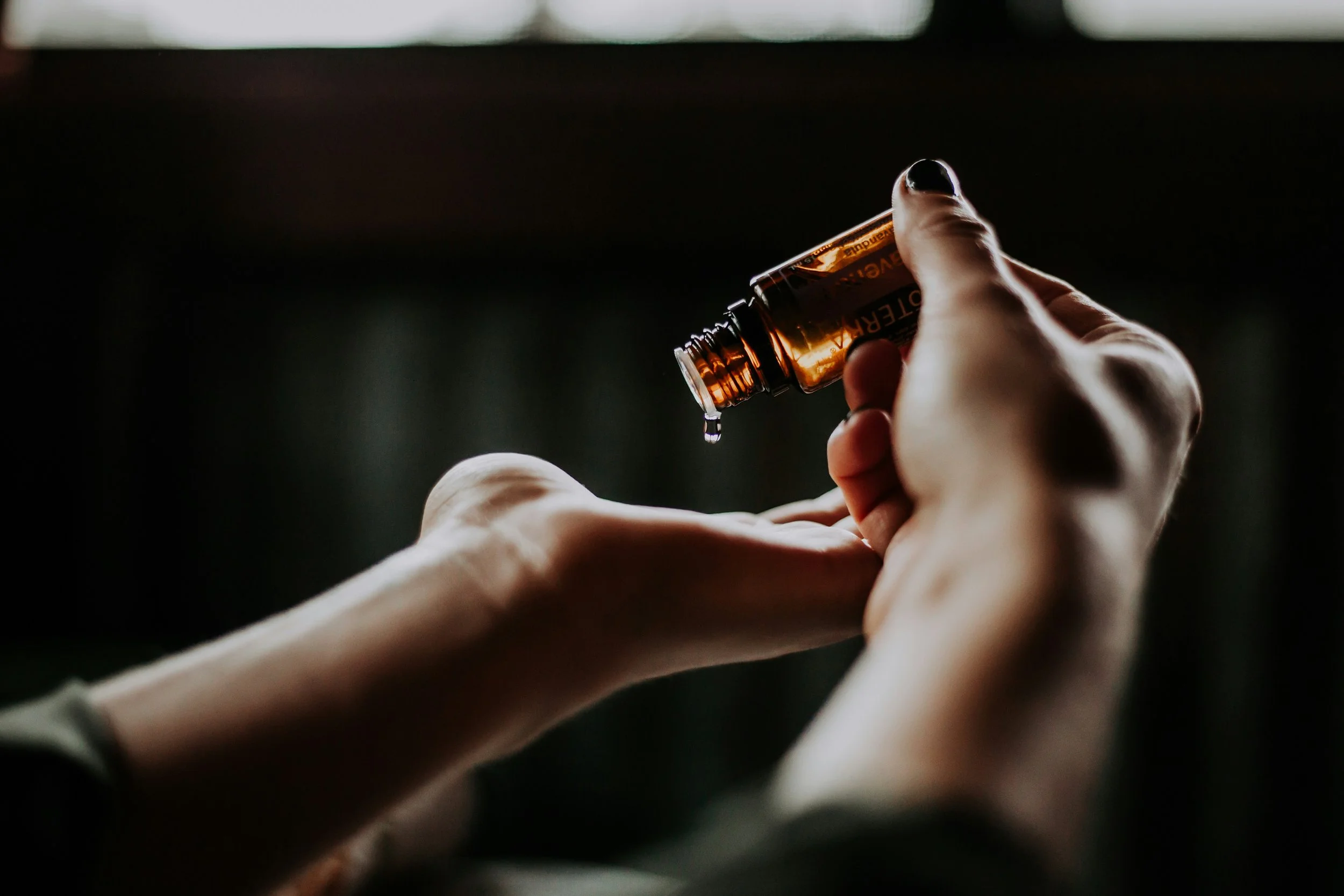
Skincare is a high-repurchase category. A customer who buys a serum once and sees results will buy it again, and probably tell someone else about it. But that repeat purchase doesn't happen automatically. It happens because you stayed in front of them, gave them a reason to come back, and made the experience feel personal enough that they didn't go looking for an alternative.
Research consistently shows that a 5% improvement in customer retention can increase profits by 25–95%. That gap is wide because the math changes depending on your product margins and customer lifetime value, but the direction is always the same. Keeping customers costs less than finding new ones.
Email and SMS are the two channels that give skincare brands the most direct line to that outcome.
Email Marketing for Skincare eCommerce: The Fundamentals
Segmentation That Actually Reflects How Skincare Customers Think
Not every subscriber on your list has the same skin, the same concerns, or the same relationship with your brand. Sending the same campaign to everyone isn't just lazy. It's a missed opportunity to be genuinely useful.
The brands we work with in skincare get the most out of segmentation when they build it around:
Skin type and concern. Oily, dry, combination, acne-prone, hyperpigmentation, aging concerns. These map directly to different product needs. Segment by these where you have the data, and your campaigns stop feeling like broadcasts and start feeling like recommendations.
Purchase history. Someone who's bought your cleanser three times is a different conversation than someone who just opened their first welcome email. The former needs a cross-sell to the next step in their routine. The latter needs to understand why your product is worth trying.
Location. Seasonality matters in skincare. A customer in Minneapolis in February needs something different than a customer in Miami. Location-based segments let you surface the right product at the right time without it feeling generic.
Engagement tier. Your most engaged subscribers can handle more frequency and be invited into loyalty programs or early access offers. Dormant subscribers need a different approach: a win-back sequence, not another campaign blast.
Flows That Do the Heavy Lifting
Flows are the part of your email program that runs without you, and for skincare brands, they're often the highest-revenue piece of the whole program. The ones that matter most:
Welcome sequence. This is your first real conversation with a new subscriber. It should do more than introduce the brand. The best skincare welcome flows educate: they explain ingredients, establish your philosophy, and help the subscriber understand why your products work. That's how you turn someone who opted in for a discount into someone who actually buys.
Browse and cart abandonment. Someone looked at your retinol serum twice and didn't buy. That's not a lost sale. It's a conversation waiting to happen. Automated abandonment emails featuring the specific products they viewed bring a meaningful percentage of those visitors back.
Post-purchase. The moment after a first purchase is the most underused window in skincare email. This is when you tell customers how to use the product correctly, what to pair it with, and what to expect in the first few weeks. Done well, it reduces returns, increases satisfaction, and sets up the cross-sell.
Replenishment reminders. Most skincare products have a predictable use window. A moisturizer runs out around 30–45 days. A cleanser might last 60. Build your replenishment timing based on actual product size and typical usage, and send the reminder before they run out, not after.
Win-back sequence. Customers go quiet. Win-back campaigns average open rates above 29% — which means a meaningful portion of lapsed subscribers are still paying attention, even after going silent. A well-structured sequence, typically three to five emails across a 60–120 day window, can recover a significant share of those customers before you sunset them from your active list.
Content That Builds Trust in a Skeptical Category
Skincare customers have been burned by overpromised products. That skepticism is real, and your email content either addresses it or feeds it.
A few approaches that work:
Educational content tied to specific products. Explaining how niacinamide actually works, what a ceramide barrier does, or why your SPF formulation is different from drugstore versions. This isn't just filler. It's the kind of content that turns a curious subscriber into a confident buyer.
Before-and-after documentation. Results photography, when it's real and attributed, is more persuasive than any subject line test. Feature it in campaigns, in post-purchase flows, in win-back sequences.
Review integration. Tools like Okendo, JudgeMe, and Zest let you pull verified reviews into your email flows automatically. A review displayed at the right moment in the right flow does more work than a discount.
Loyalty and VIP mechanics. Tiered loyalty programs, early access windows, and subscriber-exclusive offers give your best customers a reason to stay engaged between purchases. These aren't gimmicks. They're structural retention tools.
SMS Marketing for Skincare Brands: Where to Use It

SMS is not email with a smaller screen. It's a different channel with a different job.
Americans spend an average of 4+ hours per day on their phones. Text messages have a read rate above 90%, and the average response time for a text is around 90 seconds compared to 90 minutes for email. That makes SMS valuable for moments where speed matters, and counterproductive when used for content that doesn't.
Where SMS Earns Its Place in a Skincare Program
Cart and browse abandonment. A well-timed text after an abandonment event, sent a few hours after the email, can recover sales that email alone misses. Keep it short. One product mention, one link.
Flash sales and limited availability. SMS-exclusive offers create genuine urgency in a way that email rarely does. If you're running a 24-hour sale or a limited restocking, a text is the right medium to announce it.
Replenishment nudges. The same replenishment logic that works in email works in SMS, but the text version often outperforms on conversion because it arrives in a more immediate context. One message, clear link to reorder.
Order and shipping updates. Customers who've just spent $80 on a skincare product want to know where it is. Post-purchase SMS updates reduce support contacts and improve the overall experience.
What to Avoid
SMS frequency is a trust variable. Sending too often, or sending content that doesn't justify a text (a newsletter-style brand update, for example), damages the relationship faster than it would in email. Keep your SMS list for high-signal moments. Use Attentive or your platform of choice to build in frequency caps and suppression windows that protect your subscribers.
How Email and SMS Work Together
The most effective skincare programs we've built treat email and SMS as a coordinated system, not two separate channels.
The general logic: email handles depth, SMS handles speed. A product launch might start with an email that tells the full story (ingredients, development, what problem it solves) followed by an SMS on launch day that links directly to buy. A flash sale might be teased in an email 48 hours out, then confirmed via text when it goes live.
The timing and sequencing matter. Sending both channels within minutes of each other, delivering the same message in the same format, produces unsubscribes. Sending them with purpose, at different moments, serving different needs, produces revenue.
What Good Infrastructure Actually Looks Like
For skincare brands on Klaviyo, this is what a complete, functional program looks like before you start optimizing:
Welcome series (3–5 emails)
Browse abandonment (2–3 emails)
Cart abandonment (3 emails)
Post-purchase sequence (3–4 emails, product-specific where possible)
Replenishment reminders (timed to product)
Win-back sequence (3–5 emails at 60/90/120-day intervals)
Review request flow (post-delivery, integrated with your review tool)
Core campaign calendar (segmented, not broadcast-only)
SMS flows for abandonment, replenishment, and time-sensitive offers

If you're a skincare brand doing $1M or more and most of that list isn't built yet, email is likely underperforming by a meaningful margin. The fundamentals, done properly, are where most of the upside is.
The Bottom Line
Email and SMS don't require a big team or a complicated tech stack to work. They require the right structure, the right content at the right moment, and a realistic understanding of what each channel is good at.
Skincare is a category where trust, education, and consistency matter more than almost any other. Email and SMS are the channels that let you deliver all three, at scale, without a proportional increase in cost.
If your email program hasn't been audited recently and you're not sure what's working, that's usually where we start. Book a consultation →