

Top Fractional CMOs in the CPG Space: A 2026 Hiring Guide
If you run a consumer packaged goods brand, there's a moment that almost everyone hits: you need real marketing leadership, but you're not ready to commit to a full-time CMO. The average chief marketing officer salary in the United States is $373,722 per year, according to Salary.com, before benefits, equity, and recruiting costs. More specifically, in the CPG space, Total Cash Compensation (TCC) can reach up to $556.4K for top performers.
You may have people who can execute on marketing initiatives but you don't have someone who can lead, strategize, own the budget, and sit on the executive board. That is exactly what a CMO is for. Right now, in the CPG space, some of the best people doing this work are women who spent decades inside major consumer brands before going fractional.
At Strategy Maven Agency, we run email and SMS retention programs for D2C brands, which means we work alongside fractional CMOs constantly. We see who sets strategy well, who builds infrastructure that lasts, and who makes everyone downstream more effective. We interviewed some of the sharpest fractional CMOs serving CPG brands today. This guide covers who they are, what they charge, and how to figure out which one fits your stage.
What Is a Fractional CMO?
A fractional CMO is an experienced chief marketing officer who works with your company part-time while serving a small number of companies at once. Unlike a consultant, a fractional CMO is embedded in your business: they own marketing strategy, manage budget and P&L, lead your internal team, and are accountable for results over months or years.
For CPG brands, this model fills a specific gap: executive-level marketing leadership without the cost and commitment of a full-time executive hire.
Fractional CMO vs. Consultant vs. Freelancer
"Consultants diagnose and hand you a PowerPoint. Freelancers are individual contributors. You give them a project and they report back. I function as an embedded member of the executive team." -Jenica Oliver, CMO who has worked fractionally for a decade.
The difference comes down to ownership. A consultant assesses your situation and hands you recommendations, but implementing them is your problem. A freelancer takes a defined project off your plate and reports back when it's done. A fractional CMO owns the marketing function itself: strategy, resource management, budget allocation, and P&L.
They lead your internal team, represent the brand to external stakeholders, and stay accountable for results long after a consultant's deck would be gathering dust. It's everything a full-time CMO does, just not exclusively for one organization.
| Fractional CMO | Consultant | Freelancer | |
|---|---|---|---|
| Role | Embedded executive | External advisor | Individual contributor |
| Owns | Strategy, budget, P&L, team | Diagnosis and recommendations | A defined project |
| Accountability | Ongoing business results | Quality of deliverable | Project completion |
| Engagement | Few months to years, retainer | Weeks to months, project fee | Per project or hourly |
| Best when | You need leadership, not just answers | You need a specific problem assessed | You need hands-on execution |
Why CPG Brands Are Hiring Fractional CMOs
The leadership gap is real, even at the top of the market. This annual CMO Tenure Study found that only 66% of Fortune 500 companies had a C-suite marketing leader in 2025, meaning roughly a third of the largest companies in America are operating without one. And the role itself is volatile: CMO tenure among S&P 500 companies now stands at 4.1 years, compared to 5 years for all C-suite roles.
For emerging CPG brands, the math is even harder. Four reasons keep coming up across the brands we work with:
The leader you need changes as you grow. The marketing leadership a $5M brand needs is not what a $30M brand needs. A fractional CMO matches expertise to your current phase without locking you into a hire that may not scale with you.
Budgets are tight everywhere. Gartner's 2025 CMO Spend Survey found marketing budgets flat at 7.7% of overall company revenue, and 59% of CMOs report insufficient budget to execute their strategy. When every marketing dollar is contested, variable-cost leadership beats fixed executive payroll.
They're embedded, not advisory. A fractional CMO is in your meetings, managing your team, and answering for your numbers.
The talent pool has matured. Ten years ago this was a workaround. Today there's a deep, vetted network of fractional executives, many of whom led marketing at brands you have in your pantry right now. It's part of a broader shift inhow CPG brands approach D2C marketing strategy.
How Much Does a Fractional CMO Cost?
Among the fractional CMOs profiled in this guide, monthly retainers range from $6,000 to $25,000 depending on scope, and hourly engagements run $250 to $300. Fixed-fee 90-day sprints start at $16,500.
| Engagement Model | Rates (from this guide) | Best For |
|---|---|---|
| 90-day sprint (fixed fee) | $16,500 | One defined business challenge; testing fit |
| Monthly retainer (strategy only) | From $6,600/month | Growth brands with internal execution teams |
| Monthly retainer (strategy + execution) | $12,000–$25,000/month | Brands needing leadership plus hands-on delivery |
| Hourly retained | $250–$300/hour, 10 hr/week minimum | Flexible scope, established brands |
| Interim / gap coverage | Varies by scope | Enterprise leave coverage, transitions |
For context: the average full-time CMO salary in the US is $373,722, with the typical range running from $298,808 to $455,667 (Salary.com), before benefits and equity. A strategy-only fractional engagement at $10,000 per month is $120,000 per year, with no severance risk and a built-in exit ramp.
Top Fractional CMOs for CPG Brands: Quick Comparison
| Name | Specialty | Best For | Revenue Range | Rates | Location |
|---|---|---|---|---|---|
| Jenica Oliver | Brand strategy, retail expansion, CPG innovation | Brands expanding into brick-and-mortar retail | $20M–$150M | $250–$300/hr; $16.5K 90 day sprint | Dallas, TX |
| Temilola (Temi) Agbede | Full-funnel D2C growth, brand positioning | Founder-led D2C brands diversifying beyond paid | $1M–$100M | Starting at $6.6K/month | New York, NY |
| Sharmila Hall & Jessica Butcher (Fractional CMO 360) | Dual-CMO strategy plus full execution | Boutique companies wanting strategy and delivery in one | $3M–$10M+ | $12K–$25K/month | Scottsdale, AZ & Indianapolis, IN |
Jenica Oliver: Brand Strategy and Retail Expansion
Dallas, TX · 25+ years in marketing · 10 years fractional
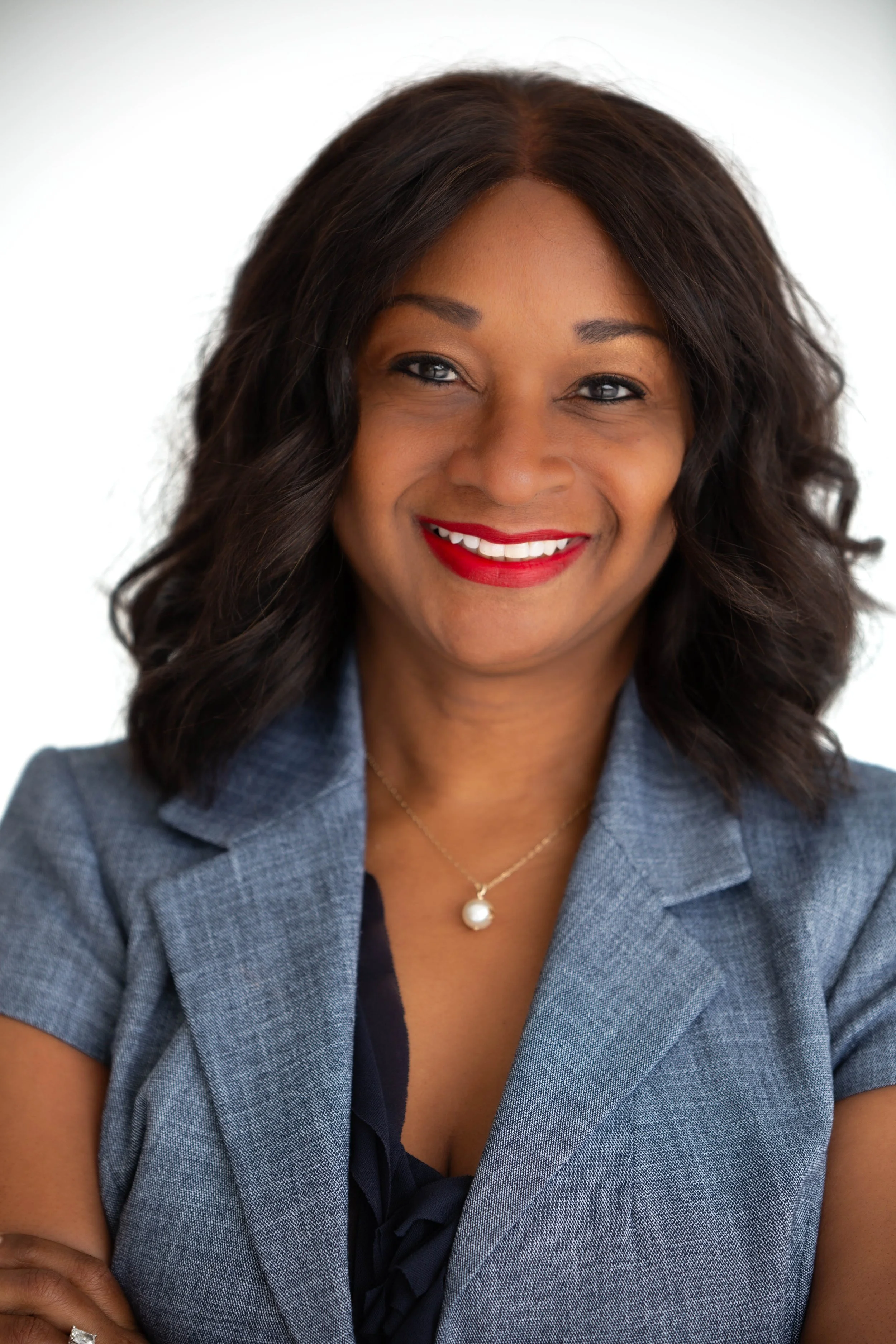
Jenica Oliver
Jenica Oliver was doing this work before "fractional CMO" was a thing. Her corporate career ran through International Delight, Land O'Lakes, Mission Tortillas, and Pizza Hut, ending as Head of Marketing and Innovation at Borden Dairy, where she led the relaunch of the Borden brand over six years. When a restructuring eliminated her position, the CFO asked her to stay on in a marketing leadership capacity through a private equity transition. She thought it was a bridge to her next corporate job. Ten years later, here we are.
Who she works with: Emerging and scaling CPG brands between $20M and $150M in revenue. The pattern she sees: junior internal resources handling execution, a growth plan in place, and no marketing strategy to support it. She also works with enterprise brands on an interim basis, covering leadership gaps, maternity leave, and restructuring transitions.
Engagement and pricing: A 90-Day CMO Sprint at $16,500 fixed fee, which can be split into three monthly payments. It's often how her longer retained engagements start. Retained work runs $250 to $300 per hour depending on scope and contract length, with a 10-hour weekly minimum. She only takes two to three clients at a time and keeps capacity intentional.
In her own words:
"I've been in supply chain conversations, legal conversations, recall conversations. Rooms that brands never think to bring marketing into because they've never had marketing leadership. At Mary Mack's, we used an influencer campaign to move excess inventory that operations was ready to write off. We built demand for flavors that already existed. That's what seasoned marketing leadership does that a ChatGPT-generated plan can't."
Her proof points back it up. She spent over a year guiding Poo~Pourri's shift from DTC and boutiques into Target and grocery, a CPG retail model that was completely foreign to their team. At Mary Mack's, whose Hawaiian Shaved Ice brand had been on Amazon for over 20 years, she built the entire retail strategy from scratch. Their frozen lemonade is now nationwide at Target and their shaved ice is at Walmart. And after backfilling an innovation leader at Bimbo Bakeries during her maternity leave, they offered her a full-time role. She had to tell them she already had a full-time job, it just wasn't for one brand!
You can find her at jenicaoliver.com or on LinkedIn.
| ✓ Best fit for | ✗ Not the right fit if |
|---|---|
| CPG brands with junior internal teams ready for executive marketing leadership, especially those expanding into retail or building brand infrastructure before a fundraise | You need day-to-day execution, are pre-revenue with no internal team, or want a purely digital/DTC specialist |
Temilola (Temi) Agbede: Full-Funnel D2C Growth
New York, NY · 20 years in marketing
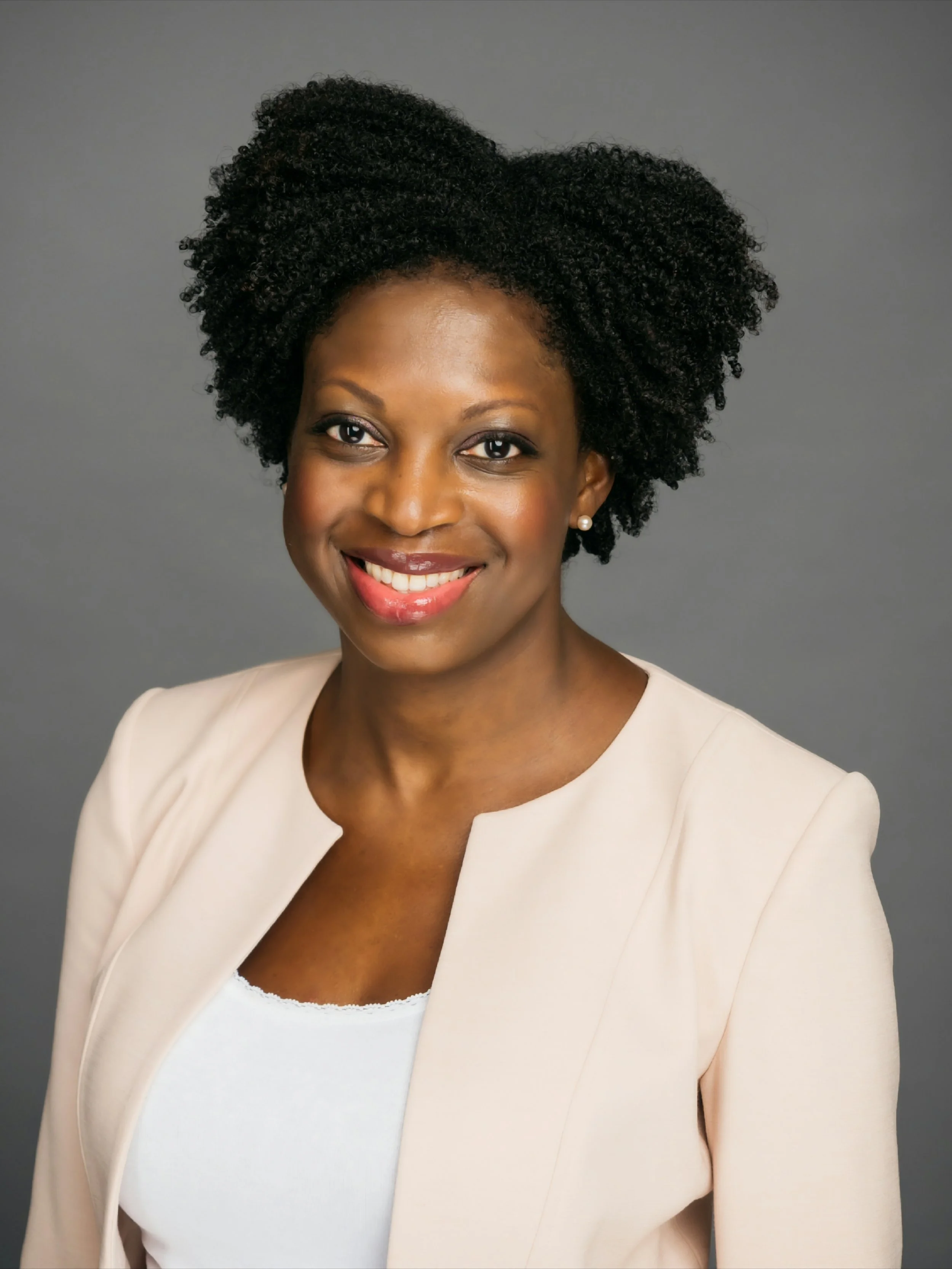
Temilola Agbede
Temi Agbede spent about 11 years in large corporations and six in growth-stage start-ups before launching her fractional practice. That scale-up stretch showed her firsthand how quickly the marketing needs of brands under $100M shift, and that insight drove her to go fractional.
Her best-known work is at S'well, where she led digital transformation and repositioned the reusable water bottle from a functional product to a fashionable lifestyle accessory. The print collaborations, the styling, and how it looked as someone carried it to yoga class became the marketing anchor, driving +34% traffic growth and a +12% improvement in site conversion rate.
Who she works with: Founder-led, D2C-first brands from $1M to $100M in beauty, health and wellness, lifestyle, home and household, food and beverage, and fashion. Her ideal client has real traction, at least one execution resource in-house or through an agency, and isn't hyper-focused on paid media as the only growth lever. She also supports funded pre-launch brands on go-to-market strategy, and mentors very early-stage brands pro bono on the side, usually about 5 hours a month.
Engagement and pricing: Fractional retainers starting at $6.6K per month, three-month minimum commitment. She only takes on one to three clients at a time intentionally. She starts every potential engagement with a conversation to assess fit, and you can book a discovery call directly.
In her own words:
"I help consumer brands stop overpaying for customers they never see again by building diversified marketing strategies beyond Meta that drive sustainable, profitable growth."
She's equally clear on where she's not the fit: brands that are primarily paid-media focused and not open to a holistic approach to growth, and brands without a physical product.
Her client, the founder of a women's health and wellness brand, put it this way: "Temilola (Temi) developed a structured and well-thought-out go-to-market strategy for my women's wellness supplement launch. She brought strong clarity to positioning, customer journey planning, and retention strategy, with deliverables that were organized and actionable."
| ✓ Best fit for | ✗ Not the right fit if |
|---|---|
| Founder-led D2C brands with an established customer base, at least $1M in revenue, and at least one execution resource | Your strategy is paid-media only, you sell a non-physical product, or you have zero internal execution capacity |
Sharmila Hall and Jessica Butcher: Dual-CMO Strategy at Fractional CMO 360
Scottsdale, AZ & Indianapolis, IN
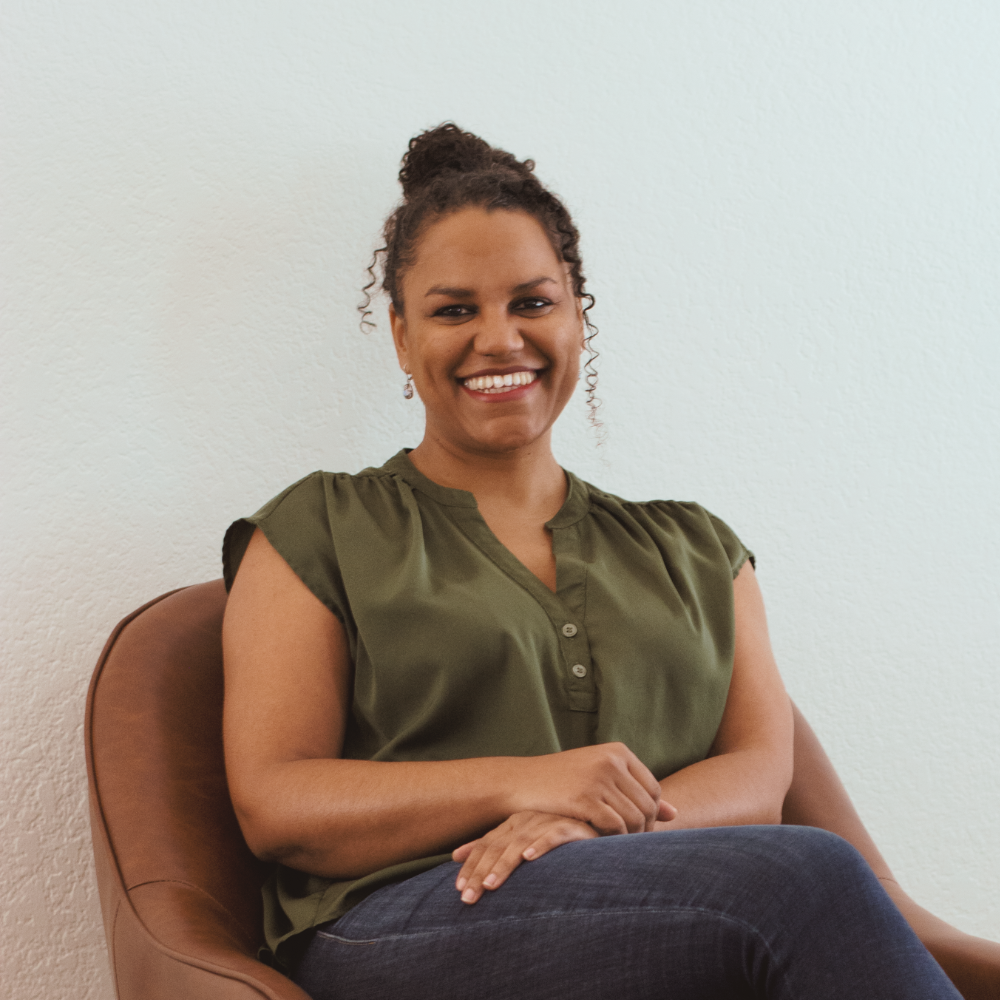
Sharmila Hall
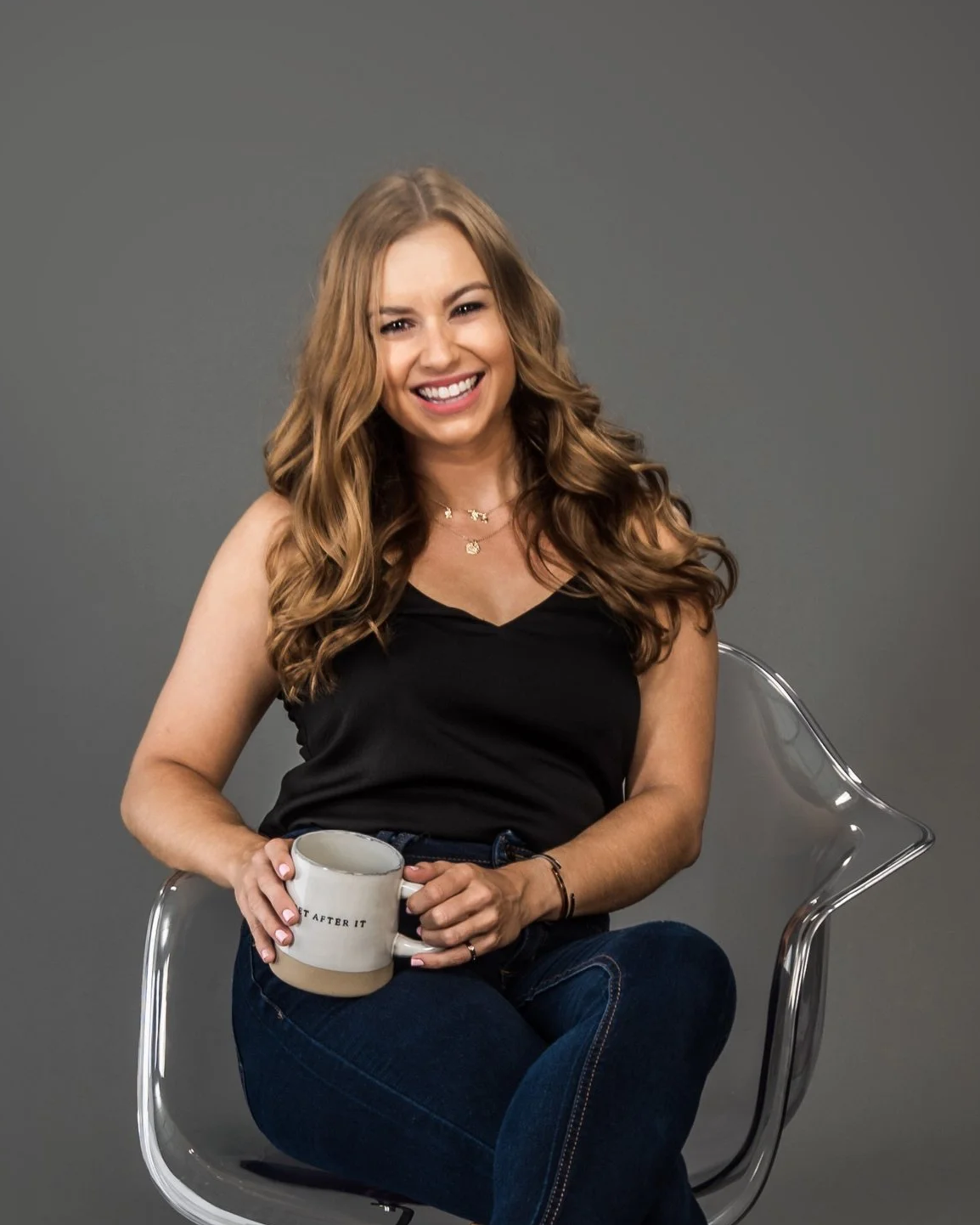
Jessica Butcher
Most fractional engagements get you one executive. Fractional CMO 360 gives you two. Sharmila Hall comes from digital marketing and international commerce. Jessica Butcher comes from accounting and financial operations. The result is a marketing strategy built with both creative ambition and financial rigor.
They launched Fractional CMO 360 after five years of scaling their own agencies and serving in strategic marketing leadership roles across a wide range of clients. Their deepest experience is in health and wellness CPG, including supplements, weight management solutions, and hormone health products, plus meaningful experience in beauty, personal care, and omnichannel consumer brands.
Who they work with: Growth-stage brands at $3M to $10M+ in annual revenue,typically 10 to 25 employees. Brands that are already successful but know they should be growing faster.
Engagement and pricing: Retainers from $12,000 to $25,000 per month with a 12-month minimum, at 8 to 20 hours per week per client. Unlike strategy-only fractional models, their engagements are comprehensive by design: website builds and ongoing CRO, SEO and AI search strategy, paid media across Google, Meta, LinkedIn, and TikTok in advanced tiers, content across social and email, and ROI-focused reporting. Advanced engagements include up to $10K per month in managed paid media spend.
Results they point to: A projected 5,520% ROI through Meta Ads in premium residential real estate. A 261% year-over-year holiday revenue increase for an e-commerce brand, with 82% of total sales from email marketing alone and zero ad spend, while maintaining a 51.9% open rate. And organic traffic up 182% for a logistics client, with Page 1 Google rankings across the USA, Mexico, and Spain.
| ✓ Best fit for | ✗ Not the right fit if |
|---|---|
| Growth-stage brands at $3M–$10M+ ready for senior-level marketing leadership and willing to invest in the whole picture | You're looking for low-cost execution, a quick-fix campaign, or a single-channel specialist |
How to Choose the Right Fractional CMO for Your CPG Brand
Five questions to ask before you sign anything:
Does their stage match yours? A retail expansion expert won't help a $1M brand focused on DTC, and a DTC growth strategist won't get you into Target.
Do they know your category? Food and beverage, supplements, and beauty each have their own regulatory, retail, and customer dynamics. Make sure who you work with knows your category well.
Do you need strategy, execution, or both? Be honest about your internal team. Hiring a strategist with no one to execute is the most common mismatch we see. Most fractional CMO’s can help you with building out the team to execute but won't execute themselves. The same logic applies down the stack: strategy without a properly audited and built retention setup stalls at the deck stage.
Does their capacity model fit? Ask how many clients they carry and what your minimum weekly hours look like.
Will they tell you no? Every CMO in this guide described turning down brands that weren't a fit. That's the signal of someone who protects outcomes, not invoices. Make sure the CMO you partner with actually has your best interests in mind.
Where Strategy Maven Fits In
Here's what we see from our side of the table: the best fractional CMOs set the strategy, then plug in specialist partners to execute the channels that matter most. Retention is usually at the top of that list.
That’s where we come in. Strategy Maven Agency is a women-owned email and SMS agency. We build lifecycle and retention programs, flows, campaigns, segmentation, andsms for D2C brands doing $1M+ in food and beverage, health, beauty, skincare, and fashion.
If you're a brand working with a fractional CMO, or a fractional CMO looking for a retention partner your clients will keep, let's talk.
Frequently Asked Questions
-
A fractional CMO owns marketing strategy, budget, and team leadership for your company on a part-time basis. They function as a member of your executive team, not an outside advisor.
-
Among the CMOs in this guide, monthly retainers range from $6,000 to $25,000, hourly engagements run $250 to $300, and a fixed-fee 90-day sprint is $16,500. Compare that to an average full-time CMO salary of $373,722 before benefits.
-
The clearest signal: you have a growth plan and people who can execute, but no one owns marketing strategy at the executive level. The fractional CMOs in this guide begin working with brands anywhere from $1M to $150M in revenue depending on specialty, which is typically the window where execution outpaces strategy.
-
A fractional CMO leads your marketing function and decides what gets done. An agency executes specific channels. Most growth-stage brands eventually need both, with the fractional CMO directing which partners to bring in. The agency vs. in-house hire question follows the same logic: match the resource to the job.
-
Entry sprints run about 90 days. Retained engagements typically have three to twelve-month minimums depending on the practice, and many run for years.
More Profiles Coming Soon
This guide is a living resource. We're continuing to sit down with standout fractional CMOs serving CPG and DTC brands, and we'll keep adding profiles as we go. If you're a fractional marketing leader doing great work in this space and you'd like to be featured, reach out to amy [at] strategymavenagency.com.